ApexLink Garage Masters Service Team
Local locksmith team
Oct 10, 2026 10 min read
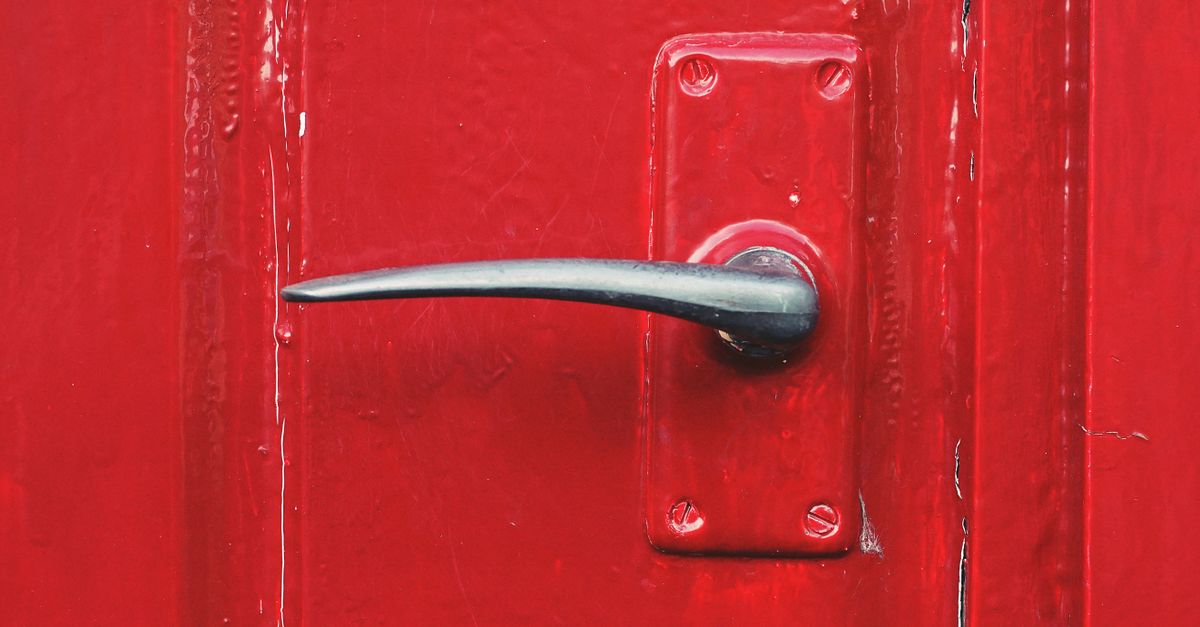
You just picked up the keys to a new home on Davisville Avenue, or maybe a key went missing after a night out near Yonge and Eglinton — either way, you're now staring at your front door wondering whether to rekey the lock or replace it entirely. It's a question Toronto homeowners face more often than you'd think, and the answer isn't always obvious. Getting it wrong means either spending more than you need to, or leaving your home with weaker security than it deserves.
This guide breaks down both options in plain terms — what each one involves, when one makes more sense than the other, and how a professional locksmith Toronto assessment can save you time, money, and stress. Whether you're dealing with a door knob lock on a century-old semi-detached or a heavy-duty mortise lock on a newer condo entrance, the decision framework is the same. Let's walk through it.
## What Rekeying Actually Means — and When It's the Right Call
Rekeying a lock means changing the internal pin configuration inside the existing lock cylinder so that your old keys no longer work and a new set of keys does. The hardware on your door stays exactly the same — the deadbolt, the face plate, the strike plate — only the internal pins are swapped out. A skilled locksmith can typically rekey a standard deadbolt or door knob lock in a matter of minutes per cylinder, and the result is a fully functional, newly secured lock tied to a brand-new key.
Rekeying makes the most sense when your existing lock hardware is in good physical condition, you simply don't trust who has copies of the current key, and you want a fast, straightforward solution. The most common scenarios where rekeying wins: you've just moved into a Toronto home and have no idea how many copies of the old key are floating around the city; you've ended a relationship and a former partner still has a key; a key was lost or stolen; or you want all the locks in your home to work on a single key (called key-alike or master-key service). If your lock is a quality unit from a brand like Schlage or Kwikset and it's functioning perfectly, rekeying is almost always the smarter first step.
## When Full Lock Replacement Is the Smarter Move — Especially for Mortise Lock Upgrades
Sometimes rekeying simply isn't enough — or isn't even possible. If your lock cylinder is worn, corroded, or damaged from a previous break-in attempt, rekeying it just puts fresh pins inside a compromised shell. The door knob lock on many older Toronto homes — particularly the Victorian and Edwardian houses common in areas like Rosedale, The Annex, and Riverdale — can be decades old, with mechanisms that have seen better days. In those cases, replacement isn't just a security upgrade, it's overdue maintenance.
The most significant reason to opt for full replacement is upgrading to a mortise lock. Unlike a standard cylindrical lock that sits in a bored hole, a mortise lock is set into a deep rectangular pocket cut into the door edge itself. This design makes it far more resistant to kick-in attacks, prying, and cylinder pulling — three of the most common residential break-in methods. Mortise locks also offer multi-point latching, meaning the bolt, latch, and sometimes additional hooks engage the door frame simultaneously. If you're replacing an aging door knob lock on a main entry or a side door that faces a laneway, upgrading to a mortise lock is a meaningful security improvement, not just a cosmetic one. Our team carries a range of cylinder and mortise lock hardware suitable for wood, steel, and fiberglass doors, and we'll help you choose the right grade for your specific door and frame.
## The Real Cost Factors — What Determines Your Quote
One of the most common questions we hear is: 'Which option costs less?' The honest answer is that it depends on several variables, and anyone who quotes you a flat price before seeing your door, your existing hardware, and your lock type isn't giving you an accurate number. At ApexLink Garage Masters, we confirm an exact up-front price before any work begins — no surprises on the invoice. Here's what actually affects the final figure: the type of lock involved (a basic door knob lock costs less to service than a high-security mortise lock with a multi-point mechanism); the number of locks or cylinders being serviced; whether you need parts sourced and brought to your door; the time of day (emergency locksmith calls in the early morning hours involve different logistics than a scheduled afternoon appointment); and your location within the Greater Toronto Area, since travel distance from our base near Yonge and Eglinton affects our arrival time and operating cost.
What we never do is start work and then hand you a bill that bears no resemblance to what was discussed at the door. If the job turns out to be more complex than initially expected — say, the mortise lock pocket in your door needs shimming, or a door knob lock cylinder has seized and needs drilling rather than picking — we tell you before we proceed, not after. If you're somewhere in Midtown Toronto and need a same-day assessment, call 647-558-2673 and we'll give you a clear picture of what's involved before we commit to any work.
## Emergency Locksmith Scenarios — Lost Keys, Break-Ins, and Lockouts
Not every lock decision gets made calmly over a cup of coffee. Sometimes it's 2 a.m. on a Tuesday and you're locked out of your house on Mount Pleasant Road, or you've come home to a damaged door frame and a kicked-in lock. These are the moments when understanding your options ahead of time really pays off — and when having a 24/7 emergency locksmith on speed dial matters.
After a break-in, rekeying is almost never the right call. The damage to the door frame, the strike plate, and often the lock body itself means you're working with compromised hardware. A professional assessment will almost always recommend full replacement, and frequently a hardware upgrade — a reinforced strike plate with longer screws, a Grade 1 or Grade 2 mortise lock, and sometimes door frame reinforcement. For a lockout situation, the process is different: a qualified locksmith verifies you are the resident (photo ID matched to the address), then uses non-destructive entry techniques to get you inside without damaging your existing lock. We do not bypass, drill, or damage a lock unless it has already failed and there is no other entry option — and we explain exactly what we're doing and why at every step. Whether it's a lockout, a post-break-in replacement, or an urgent rekey after a lost key, our emergency locksmith team is available around the clock across Toronto.
## Choosing the Right Hardware — From Door Knob Locks to Commercial-Grade Mortise Locks
Not all locks are created equal, and the right choice depends heavily on the door, the entry point, and the level of security you need. For interior doors like bedrooms and bathrooms, a basic privacy door knob lock is usually appropriate. For main entry doors, side doors, and garage entry doors, you want at minimum a Grade 2 deadbolt — and for high-value entries or properties with elevated risk, a commercial locksmith grade mortise lock is the gold standard.
Toronto's housing stock is wonderfully varied — detached homes in Lawrence Park, Victorian semis in Trinity-Bellwoods, modern condos near Yonge and St. Clair, mixed-use properties along Eglinton Avenue — and each type of property has different door configurations and frame depths that affect which hardware can be installed. A mortise lock, for example, requires a specific door thickness and edge depth; not every residential door is pre-routed for one, and retrofitting requires a skilled hand to avoid weakening the door panel. Our team brings the right tools and a range of hardware options to every call, so you're not limited to whatever happens to be at a big-box store. Whether you're a homeowner looking to upgrade a single front door or a property manager with multiple units who needs a commercial locksmith to create a master-key system across an entire building, we approach each job with the same methodical assessment. Call 647-558-2673 — we answer 24/7, and we'll walk you through the right solution for your specific door before we ever pick up a tool.
Frequently asked questions
How do I know if my existing lock is worth rekeying or if I should replace it entirely?+
The two main things to assess are the physical condition of the lock and the level of security it provides. If the lock turns smoothly, the bolt extends and retracts cleanly, the cylinder shows no signs of wear or damage, and the hardware is a recognized quality brand, rekeying is a perfectly sound option. If the lock is stiff, the keyway is worn, there's visible corrosion, or it's an old door knob lock with no deadbolt, replacement — and possibly an upgrade to a mortise lock — makes more sense. When in doubt, a quick on-site assessment from a professional locksmith Toronto team like ours gives you a clear answer without any obligation to proceed.
What is a mortise lock and is it worth the upgrade for a Toronto home?+
A mortise lock is a lock set that installs into a pocket (the mortise) cut into the side edge of a door, rather than sitting in a simple bored cylinder hole. This makes it substantially more resistant to forced entry methods like kicking, prying, and cylinder pulling. For Toronto homeowners — especially those in ground-floor units, homes with side or rear doors facing laneways, or older properties with lightweight door frames — upgrading from a basic door knob lock to a mortise lock is one of the most effective physical security improvements you can make. The installation requires precise routing and a skilled hand, which is why it's always a job for an experienced locksmith rather than a DIY project.
What should I do if I'm locked out and I think my lock is damaged?+
First, stay calm and do not attempt to force the door — you risk damaging the frame or the lock further, and it can create a safety hazard. Check whether any other entry point is accessible: a back door, a garage entry, or a neighbor who holds a spare key. If no safe option exists, call a qualified emergency locksmith who will verify your identity against the address before proceeding. A professional will assess whether the lock can be opened non-destructively or whether it needs to be drilled and replaced. We're available 24 hours a day, seven days a week — call 647-558-2673 and our team will walk you through the situation before anyone touches your door.
Can a locksmith rekey all my home's locks to work on one key?+
Yes — this is called a key-alike or master-key service, and it's one of the most practical upgrades a Toronto homeowner can make, especially in a home with multiple exterior doors. A skilled locksmith re-pins each lock cylinder so that a single key operates all of them. This works best when all your existing locks are the same brand (such as Schlage or Kwikset), or when you're replacing locks at the same time. If your locks are a mix of brands or ages, the locksmith will advise you on whether rekeying or partial replacement makes the most sense to achieve key compatibility. It's a straightforward service that makes daily life noticeably more convenient without compromising security.